The Great Bathroom Debate
It is one of the most common questions we hear from homeowners planning a bathroom renovation: should I keep the bath, or would a walk-in shower make better use of the space? The honest answer is that there is no single right answer. The best choice depends on how you use your bathroom, who else uses it, how much space you have, and what you want the finished room to feel like.
At PB Kitchens and Bathrooms, we design bathrooms across Devon that reflect the real needs and preferences of the people who live in them. In this guide, we walk through the key considerations on both sides of the debate so you can make a confident decision for your own home.
It is also worth saying upfront that for some rooms, the answer is both. With the right layout, it is entirely possible to include a walk-in shower and a freestanding bath in the same space, and the result can be genuinely stunning.
The Case for a Walk-In Shower
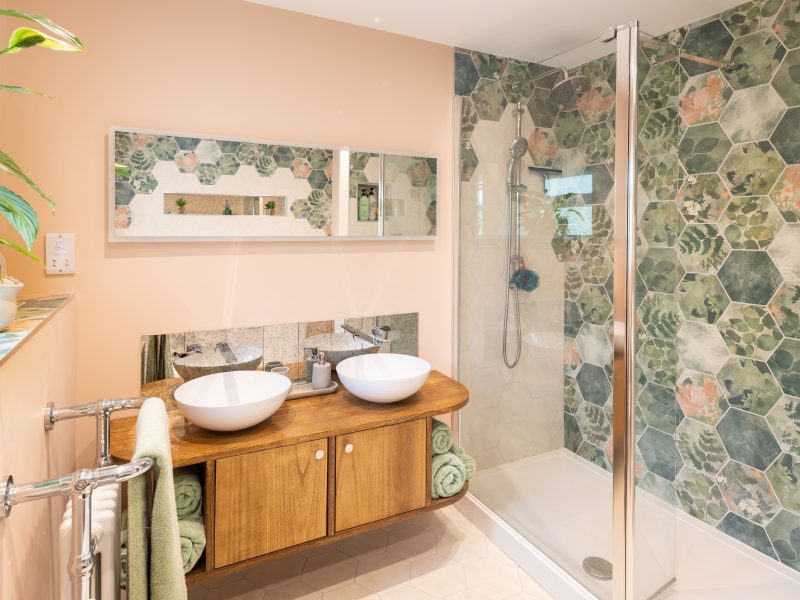
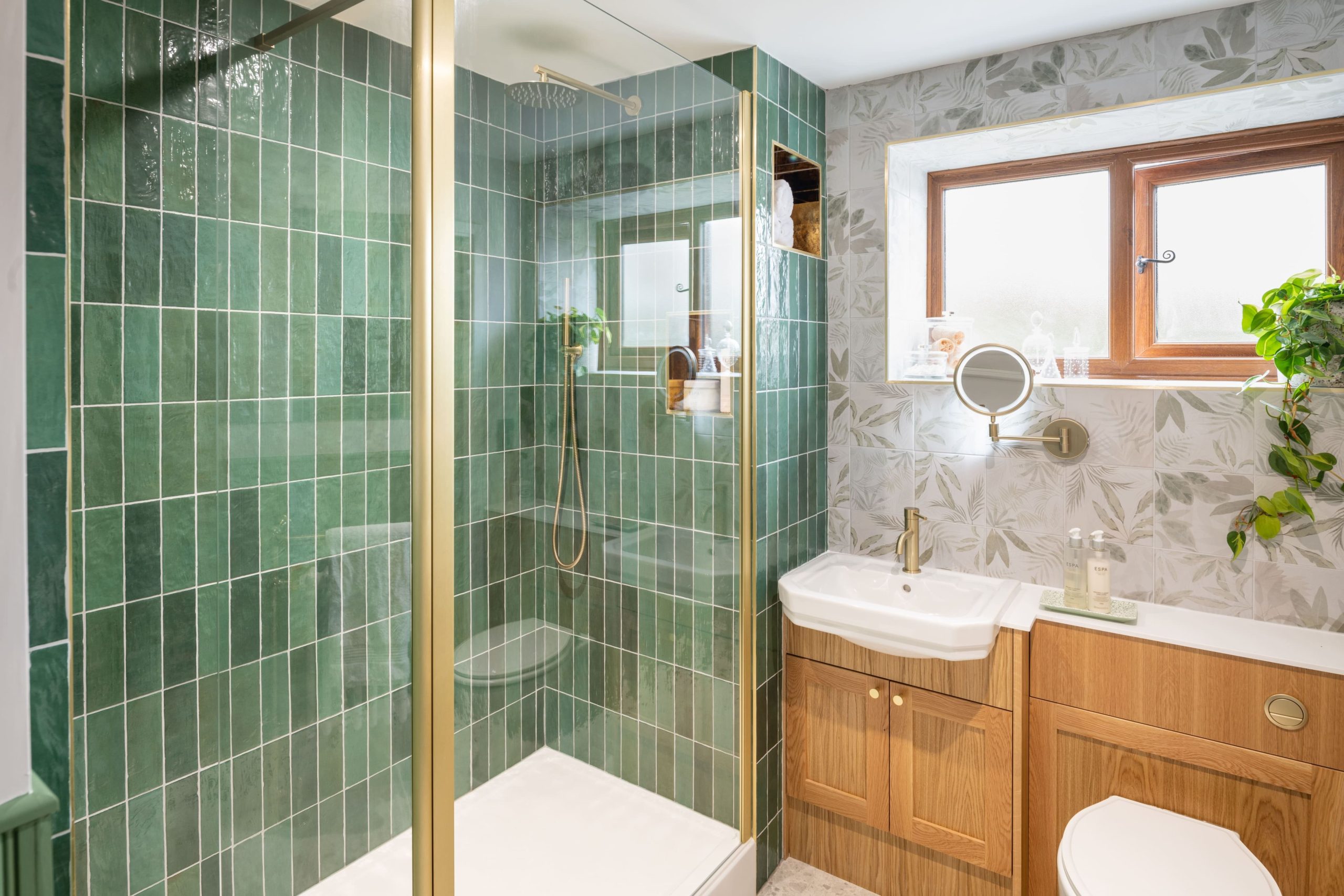
Walk-in showers have become the dominant choice in bathroom renovations over the past decade, and for good reason. They are practical, efficient, and when designed well, they look spectacular. A properly designed walk-in shower with a level-access floor, full-height tiles, and quality fixtures feels more like a luxury hotel bathroom than a domestic one.
From a practical standpoint, a walk-in shower is simply faster and more convenient for daily use than a bath. Most people shower far more often than they bathe, and having a large, beautifully designed shower enclosure that is easy to step in and out of makes the start of the day considerably more pleasant.
Walk-in showers are also a particularly strong choice for households where accessibility is a consideration, now or in the future. A level-access wet room-style floor removes any step or lip entirely, making the shower safe and easy to use for people of all ages and mobility levels. This is something our designers will always discuss during the planning stage.
The Case for Keeping the Bath
There are very good reasons to keep a bath, even in a bathroom that also has a shower. For families with young children, a bath is close to essential during the early years. Bathing small children in a walk-in shower simply does not work in the same way, and the bath remains the most practical option for young families.
There is also the question of relaxation. A long soak in a warm bath is a genuinely different experience from a shower, and for many homeowners it is a ritual they have no interest in giving up. A beautifully chosen freestanding bath can also become the visual centrepiece of a bathroom, elevating the whole room in a way that a shower enclosure, however well designed, often cannot.
From a property perspective, there is an ongoing debate about whether removing the only bath in a house can affect saleability. Estate agents tend to advise that at least one bath in a property is seen as desirable by buyers with young families, so if your bathroom is the only one in the house, it may be worth keeping the option open.
Can You Have Both?
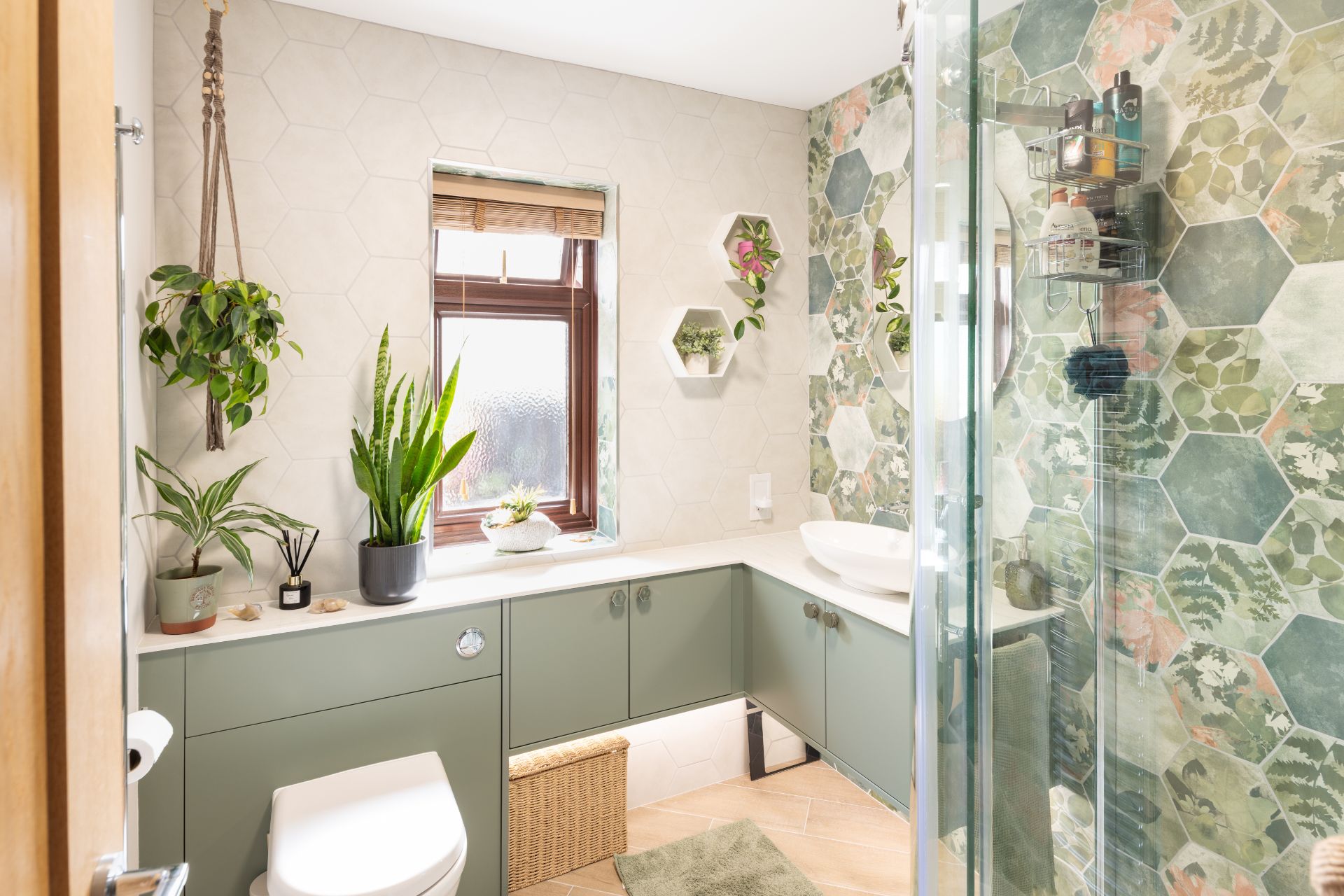
The assumption that you have to choose between a bath and a walk-in shower is often incorrect. In many bathrooms, with the right design approach, it is possible to include both. The key is making sure the layout is planned intelligently so that both elements have enough space to function and look their best.
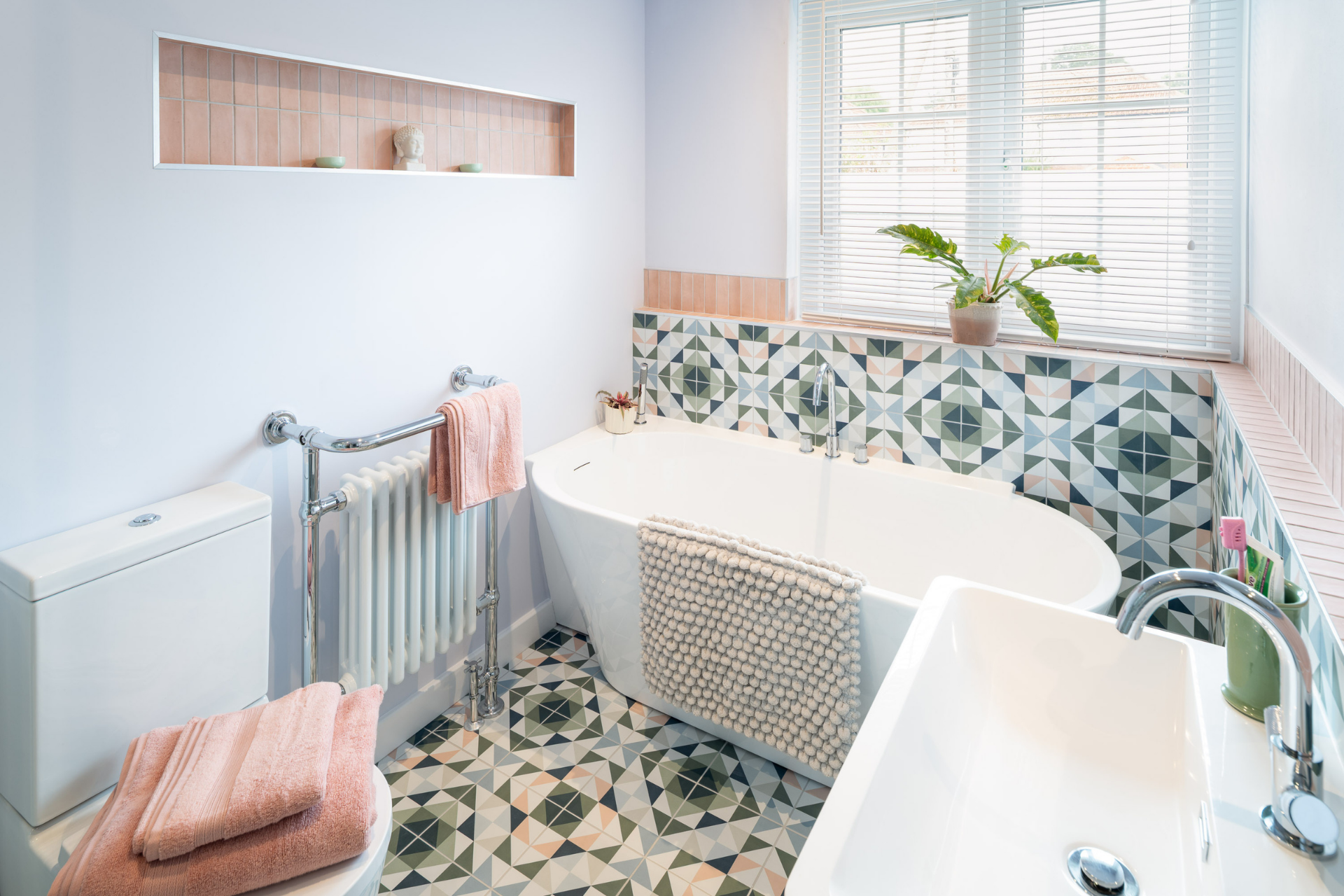
A popular configuration is a freestanding bath positioned as a focal point, often beneath a window or at the end of the room, with a separate walk-in shower in a corner or along one wall. This gives you the daily practicality of the shower alongside the option of a bath whenever you want one.
Our designers will assess your room carefully and present you with options you may not have considered. Sometimes a layout change, removing a redundant airing cupboard or repositioning a radiator, can free up enough space to accommodate both. Take a look at our bathroom gallery for inspiration on how we have achieved this in real Devon homes.
Thinking About Space and Scale
The size of your bathroom will naturally influence what is feasible. In a smaller bathroom, a large walk-in shower can make the room feel more spacious because it eliminates the visual bulk of a bath and allows for a more open, uncluttered layout. Large-format tiles and a frameless glass screen extend this effect further.
In a larger bathroom, you have the luxury of considering both options without compromise. A double-ended bath, a double walk-in shower with twin heads, or a separate wet room area are all possibilities that our team can help you explore.
Whatever the size of your bathroom, our designers will take precise measurements during a home visit before any design work begins, ensuring that every element is scaled correctly for the room. Find out more about how we approach the design process on our Your Journey page.
The Finishing Touches That Make the Difference
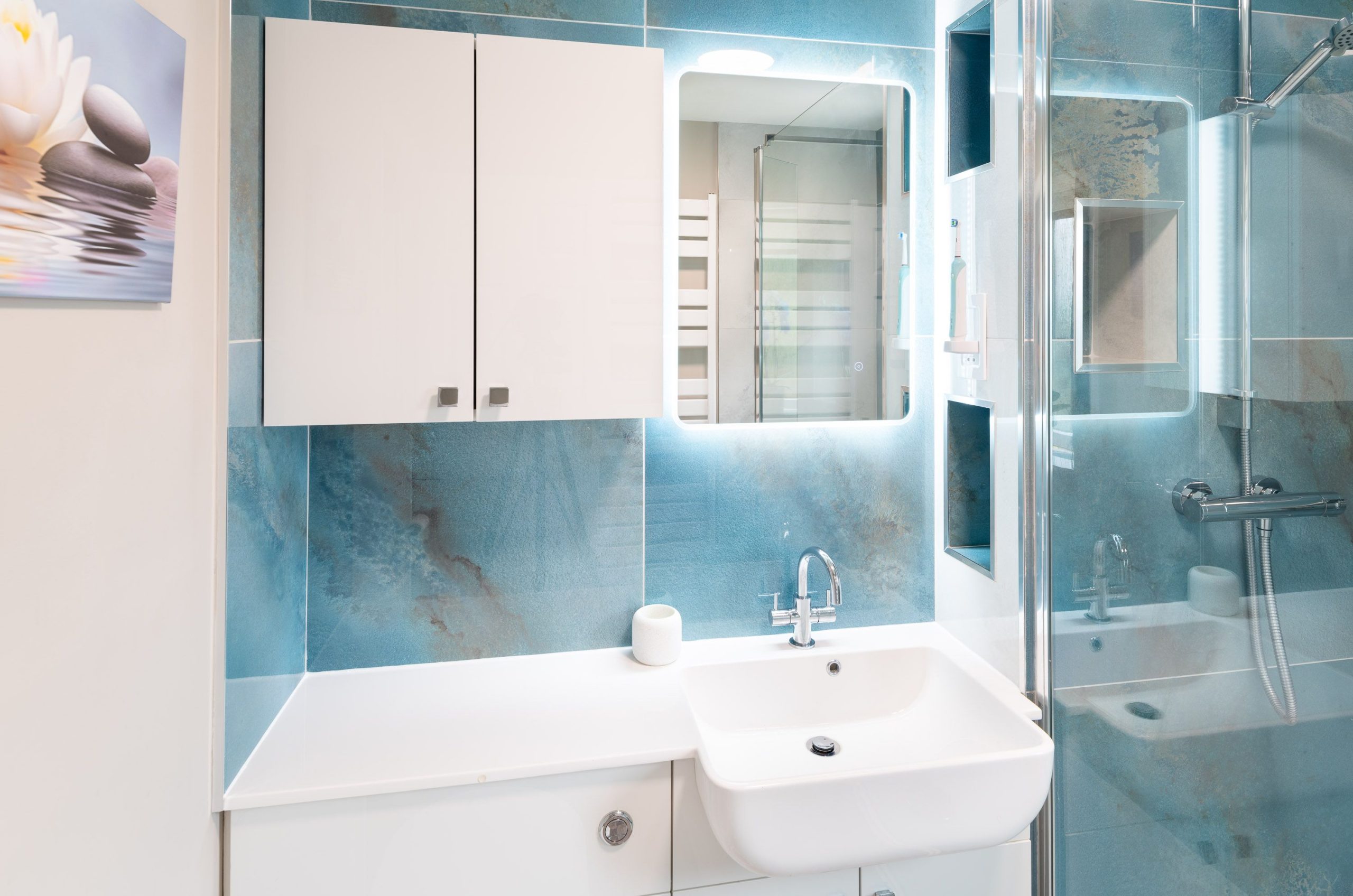
Whether you opt for a shower, a bath, or both, the quality of the fixtures and finishes you choose will have an enormous impact on the finished result. A walk-in shower with a poor-quality tray, cheap fittings, and uninspired tiling will never look or feel as good as one with a quality stone-resin base, a fixed overhead rainfall head, and beautifully chosen large-format tiles.
Similarly, the choice between an inset bath and a freestanding one changes the character of the room entirely. An inset bath with a tiled surround has a clean, contemporary feel, while a freestanding bath, particularly in a classic roll-top or slipper style, brings a sense of drama and luxury that few other elements can match.
Our team will guide you through all of these choices as part of your free design consultation at our Seaton showroom. We work with a carefully selected range of suppliers to ensure that the products we specify are both beautiful and built to last.
Ready to Start Planning?
Whether you have already made up your mind or are still weighing the options, the best next step is a conversation with our team. We offer a free, no-obligation design consultation at our Seaton showroom, where you can see real bathroom displays, ask all of your questions, and begin to get a feel for what might work in your home.
PB Kitchens and Bathrooms has been designing and installing beautiful bathrooms for Devon homeowners for over 20 years. Our end-to-end service covers everything from the initial design consultation through to the final day of installation, with one team managing your project from start to finish. Call us on 01297 692250 or visit our bathrooms page to find out more.
Frequently Asked Questions
Does removing a bath affect the value of my home?
It can be a consideration, particularly if your bathroom is the only one in the property. Many buyers, especially those with young children, prefer to have at least one bath available. If you have more than one bathroom, replacing a bath with a walk-in shower in one of them is generally less of a concern.
What is a level-access shower?
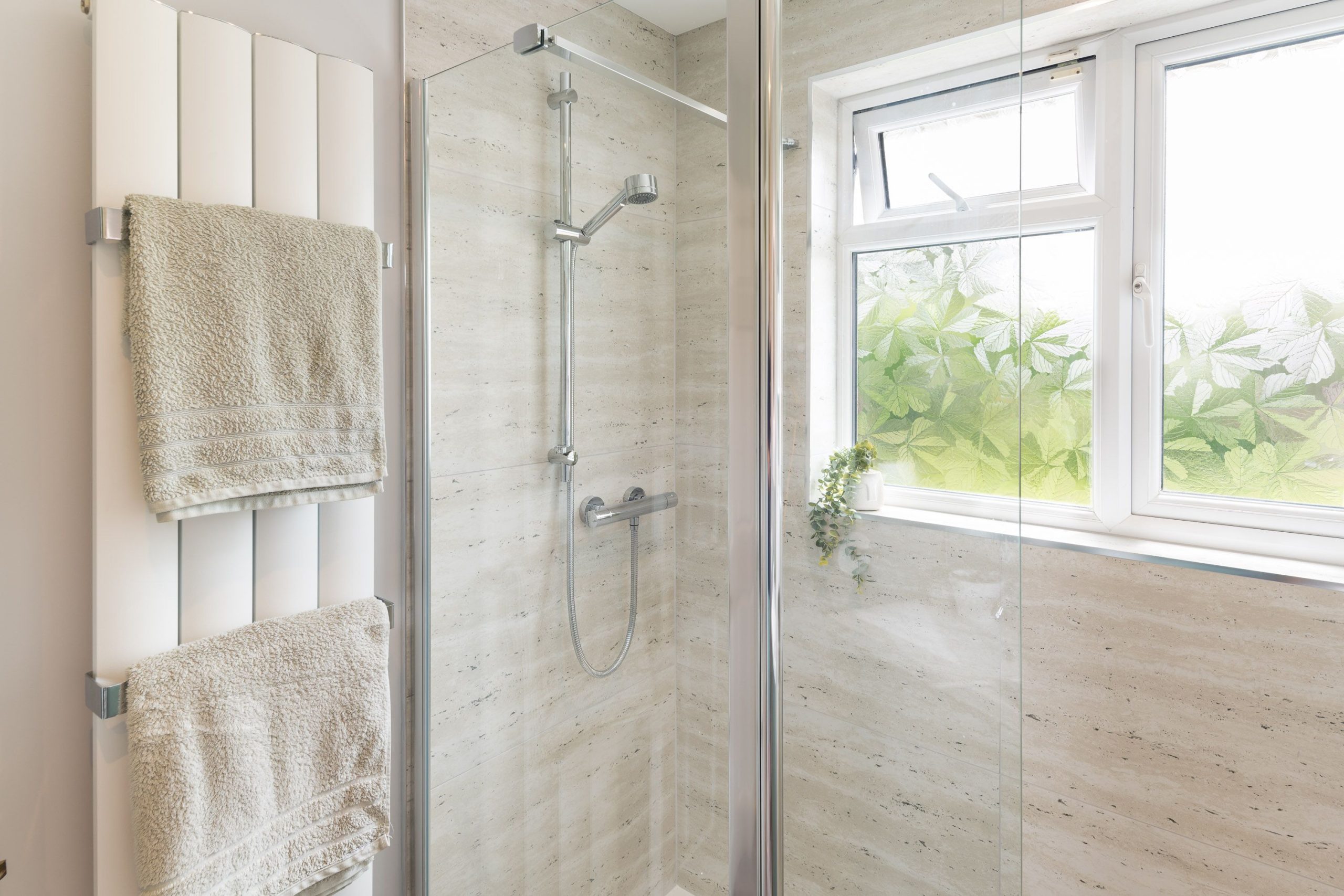
A level-access shower, sometimes called a wet room, has a floor that is flush with the surrounding bathroom floor, with no step or raised tray to step over. The floor is graded slightly to channel water towards a drain. Level-access showers are particularly popular for accessibility reasons and create a very clean, contemporary look.
How much space do I need for a walk-in shower?
As a general guide, a walk-in shower should be at least 900mm by 900mm to feel comfortable, with 1000mm by 1000mm or larger being ideal. Larger showers with fixed overhead heads and multiple body jets require more space still. Our designers will advise on the right size for your room during your consultation.
Can a freestanding bath work in a small bathroom?
It can, but it requires careful planning. A freestanding bath takes up more visual and physical space than an inset one because it needs clearance on all sides. In a smaller room, the choice of bath proportions and its positioning within the layout are critical. Our designers will tell you honestly whether it is achievable in your space.
How long does a bathroom renovation take?
Most bathroom renovations are completed within one to two weeks, depending on the size of the room and the scope of the work involved. Our team will give you a clear timeline before work begins so you can plan ahead.